There’s the e-mail advising veteran’s not to support Target, because Target doesn’t support veterans. There’s the e-mail advising Blacks to call Rush Limbaugh to the floor, because Rush insulted Obama and Halle Berry, and he just might be a racist.
There are more e-mails, too many to mention in such tight confines, but they all serve the same purpose: a distraction from what Black people really need to be concerning themselves with.
In response to the first e-mail, I sent the following reply to the sender:
I’m just thinking about how many other corporations we should not be doing business with. What also comes to mind is how many smaller businesses we shouldn’t be supporting either. And I’m not thinking of this from a veteran’s perspective, of which I’m considered to be, but from a Black perspective. Let’s handle home before we attempt to handle Target. Start small, spread the love.
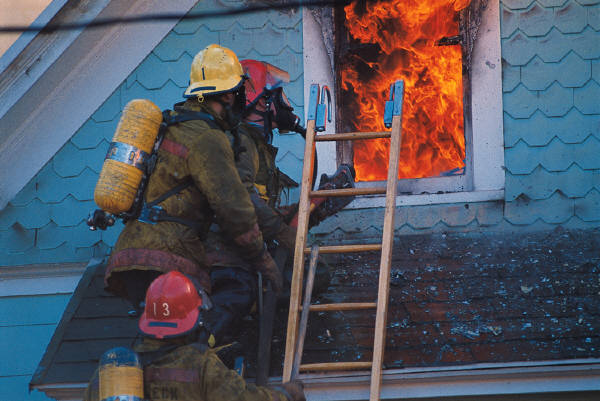
You see, that’s one of the major problems facing Blacks. We spread ourselves too thin, trying to put out everybody else’s fires, while ignoring the 3-alarm blaze burning on the home front. Do we do this as an escape from our real reality, or are we just so blinded by the manipulative forces at work that we run scatterbrained from one “emergency” to the next?
For all the “conscious” folks nodding in agreement, don’t nod too hard, because you’re just as guilty as those who “don’t know better.” At every Afrikan-centered event, so-called conscious folk show up for a feelgood ceremony, in which lectures, panels, debates, discussions and fish dinners have replaced Sunday morning service.
There, they complain about the non-progress of Blacks as a whole. They reflect on Afrikan history, share the glorious history of Afrika and put out a call for everyone in attendance to come together in honor of Afrikan history—unify or die! What’s usually left out of these highly intellectualized and charged festivities is a critical analysis of Afrikan history, most significantly concerning where we, as Afrikans, went wrong and how we can now do it right.
Outside of those conscious audience members are the speakers, sometimes consciously and unconsciously vying for the most quotable quote. Each saying a whole lot, yet saying nothing. At least, not anything most “conscious” folks who follow the lecture circuit haven’t heard before.
Every now and then, a lecturer with an understanding of the gravity of what lies ahead steps to the podium and proves the theory that even a large majority of conscious folks don’t want things to change, because if they did, when this brother and sister puts out a call to pool resources, time, etc., these individuals would heed the call. Instead, they disappear into the backdrop until the next event.
Mind you, this is not found in all Afri-centered events, but quite a few that I have personally attended. And it seems I’m not the only one who has recognized our new dog-and-pony show, as other Afrikans have presented with the same dilemma. They want to believe in their people, that their people want to build and grow, but some of our people make it damn hard, especially when someone calls for solution-based action and nary a hand raises but theirs and the person who called for a solution.
What many of them don’t do is what they don’t do at home: take a critical look at what has worked and what hasn’t. In the end, the lectures, panels, debates, discussions and fish dinners end the same way they began—with nothing accomplished.
These same people, if we were to follow them home, would be found to be living a life of total chaos, their homes reflective of their minds.
That is why I propose that Afrikans go back home. And by go back home, I mean to the walls they retire to each day. The place where the closest family they can have are to be found. Not only go home, but spend time with these members, develop bonds, increase the love and sharing, clean house—mentally and physically.
In other words, work on home first. Once you’ve mastered home to the best of your ability and have something concrete to offer, with a vision and action attached, gather your home-front family together and, together, go out and spread the love. That is how a community comes together. That is how true unity comes into being.
Leave a Reply